Overview
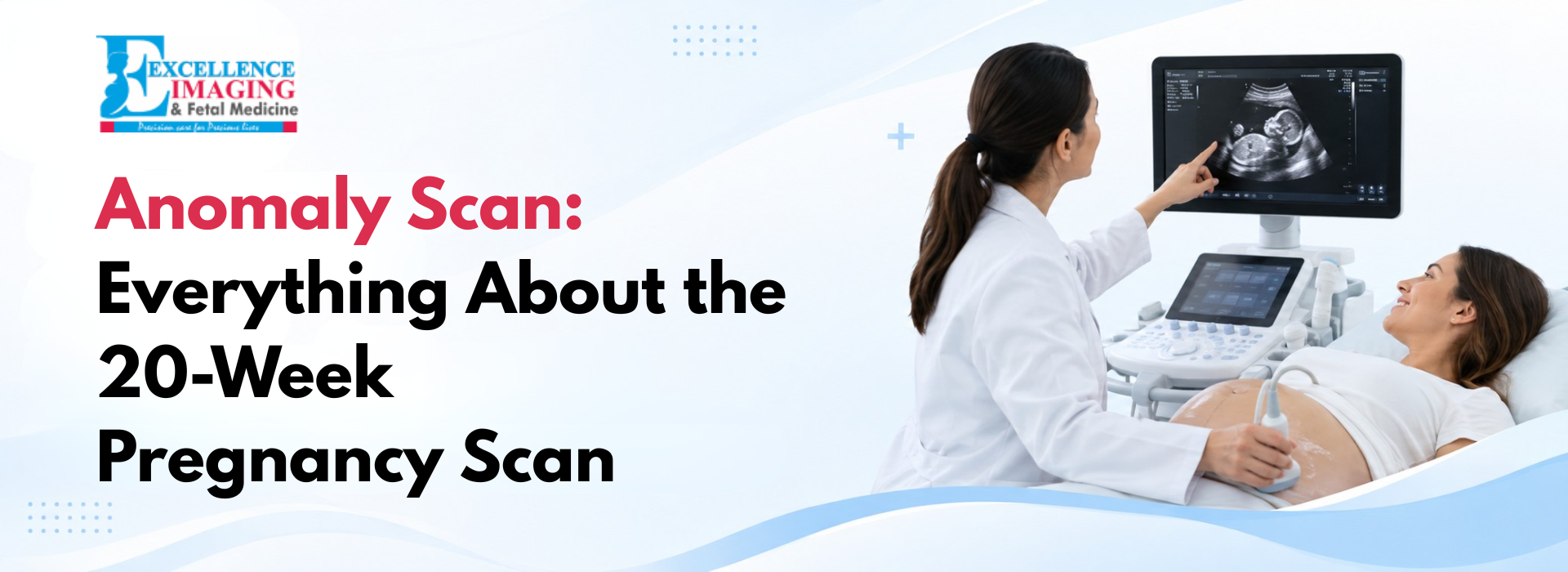
The fetal anomaly scan, also known as the 20-week scan and mid-pregnancy screening scan, is a detailed ultrasound usually performed between 18 and 22 weeks of pregnancy.
The anomaly scan helps your doctor assess your baby's development during the second trimester of pregnancy. It provides detailed information about the baby's brain, spine, heart, limbs, major organs, and overall growth. Additionally, it can detect physical abnormalities that might not have been visible in earlier pregnancy scans.
This guide covers everything you need to know about the pregnancy anomaly scan.
Why Is an Anomaly Scan Important in Pregnancy?
This scan also allows the doctor to examine the placenta, amniotic fluid, and the baby's size. If the ultrasound reveals any potential issues, your doctor can review the results and determine whether further testing or monitoring is required during the pregnancy.
It is important to understand that while the anomaly scan is a detailed ultrasound, it cannot detect every possible abnormality in the baby. To get a more accurate picture of the baby's development, the doctor considers the scan results alongside your pregnancy history and other prenatal screening information.
What Does the Fetal Anomaly Scan Check?
This detailed pregnancy ultrasound covers several important areas of your baby's development.
Your Baby's Brain, Spine and Face
The doctor checks the baby's brain, including its structure and development, and examines the spine for any visible concerns. The face is also examined to look at structures such as the lips and facial profile.
Your Baby's Heart and Major Organs
The scan includes a detailed examination of the baby's heart and other major organs. The doctor checks the heart's structure and looks at organs such as the stomach, kidneys, and bladder to assess their development and identify any congenital abnormalities.
Your Baby's Limbs, Growth and Development
The doctor examines the baby's arms, legs, hands, and feet and checks whether the baby's growth is progressing as expected. Fetal measurements are also taken during the ultrasound to assess growth and development.
Your Placenta and Amniotic Fluid
The doctor checks the position of the placenta and looks at the amount of amniotic fluid around the baby. These findings provide additional information about the pregnancy and your baby's development.
This is a detailed ultrasound examination that can help identify many structural abnormalities in the developing baby.
When You Should Get Your Anomaly Scan
Best Time for the Scan
The best time to have an anomaly scan is usually between 18 and 22 weeks of pregnancy. This is the stage when your baby's organs and body structures are developed enough for the doctor to examine them in detail during the ultrasound. However, your doctor may recommend the scan at a slightly different time depending on your pregnancy, previous scan results, and other factors.
What Happens If It's Done Earlier/Later
Sometimes, an anomaly scan may be scheduled earlier or later than the usual time. If your scan is delayed, your doctor can advise you on the most appropriate timing based on your pregnancy and the views that need to be obtained during the ultrasound.
How to Prepare for Your 20 Week Pregnancy Scan
What to Do Before the Scan
There are things you can do to prepare for your 20-week scan.
- Arrive early for your appointment.
- Wear loose-fitting clothing that is easy to move around in to access your abdomen.
- Make sure your bladder is full before the scan, if you have been told to.
- Take out your belly button piercing, if you have one.
- Bring your maternity reports with you.
- Check with the hospital or clinic before you go for pictures of your baby.
What Happens After the Anomaly Scan
Once the doctor has completed all the checks, they will explain the findings and tell you whether your baby's development appears normal or if anything needs further attention.
When No Further Testing Is Needed
If the scan shows no concerns, you can usually continue with your normal pregnancy care as advised by your doctor. Your doctor will also tell you if you need any further scans or follow-up appointments during your pregnancy.
When Further Evaluation May Be Recommended
If the scan shows something that needs further investigation, it does not necessarily mean that your baby has a medical condition. Your doctor may recommend a repeat ultrasound, a more detailed scan, or other prenatal tests to better understand the finding.
Depending on the results, you may be referred to a specialist for further assessment and advice. The next step will depend on what the scan shows, your pregnancy history, and any other prenatal screening results.
Book Your Anomaly Scan at Excellence Imaging
Your anomaly scan is more than just another ultrasound scan. It's an important opportunity to take a closer look at your baby's development and understand how your pregnancy is progressing.
At Excellence Imaging & Fetal Medicine, advanced ultrasound technology and experienced fetal medicine specialists support anomaly scans that focus on detailed assessment and clear guidance. The center uses the Samsung HERA Z20 ultrasound system for high-resolution fetal and maternal images.
So, when it's time for your anomaly scan, choose a center where every image counts, where every finding is carefully considered, and where every question deserves a clear answer.
Book your anomaly scan at Excellence Imaging & Fetal Medicine and take the next step in your pregnancy journey with clarity and confidence.
Important Information About Your Appointment
- Scan Duration: An anomaly scan usually takes around 30 to 45 minutes, although it may take longer if the doctor needs additional views of your baby's development.
- Scan Results: Your doctor will explain the findings after the scan and let you know whether any further monitoring, scans, or tests may be recommended.
- Previous Reports: Bring your previous ultrasound reports and prenatal screening reports to help your doctor understand your pregnancy history and review the findings in context.
- If Clear Images Are Difficult to Obtain: Your baby's position or movement may sometimes make it difficult to get clear views of certain structures. You may be asked to change your position or return for a repeat scan if needed.
- Ultrasound Images: Ask the centre beforehand whether 2D or 3D ultrasound images are provided as part of your appointment, as this can vary between centres.
- Additional Assessment: In some cases, your doctor may recommend an additional scan or assessment if a particular area needs a closer look.
Frequently Asked Questions
1. Can an anomaly scan detect Down syndrome?
An anomaly scan cannot diagnose Down syndrome, but it may identify certain physical markers associated with it. Your doctor may recommend NIPT or diagnostic testing if further assessment is needed.
2. Is an anomaly scan painful?
No, an anomaly scan is generally painless. The doctor moves an ultrasound probe over your abdomen to examine your baby.
3. How long does an anomaly scan take?
An anomaly scan usually takes around 30 to 45 minutes, although it may take longer if clear images of all the baby's structures are difficult to obtain.
4. What conditions can an anomaly scan detect?
An anomaly scan can detect many structural abnormalities affecting the baby's brain, spine, heart, kidneys, limbs, face, and abdominal organs. It cannot detect every possible condition.
5. What happens if something is found during an anomaly scan?
If the scan shows a potential concern, your doctor may recommend a repeat ultrasound, detailed assessment, or additional prenatal testing to understand the finding better.
Book Your Scan or Consultation Today
- Accurate and reliable results
- Expert fetal medicine consultation
- Compassionate, judgement-free guidance
- Advanced anomaly scan technology under one roof
📍 Excellence Imaging, Janak Puri
📞 Call or WhatsApp Now for Appointment
Your baby's health is our priority. Get the right scan at the right time.